

Physics Distinguished Lecture Explores How AI is Unlocking the Microbiome for Precision Nutrition and Human Health
Physics Distinguished Lecture Explores How AI is Unlocking the Microbiome for Precision Nutrition and Human Health
On 30 June 2026, the Department of Physics at Hong Kong Baptist University (HKBU) hosted a distinguished lecture titled “Artificial Intelligence for Community Ecology and Precision Nutrition.” Professor Yang-Yu Liu, Associate Professor of Medicine at Harvard Medical School (HMS) and Associate Scientist at Brigham and Women's Hospital (BWH), shared his profound insights on how artificial intelligence (AI) is transforming microbiome research and opening new frontiers for personalized nutrition and health research.
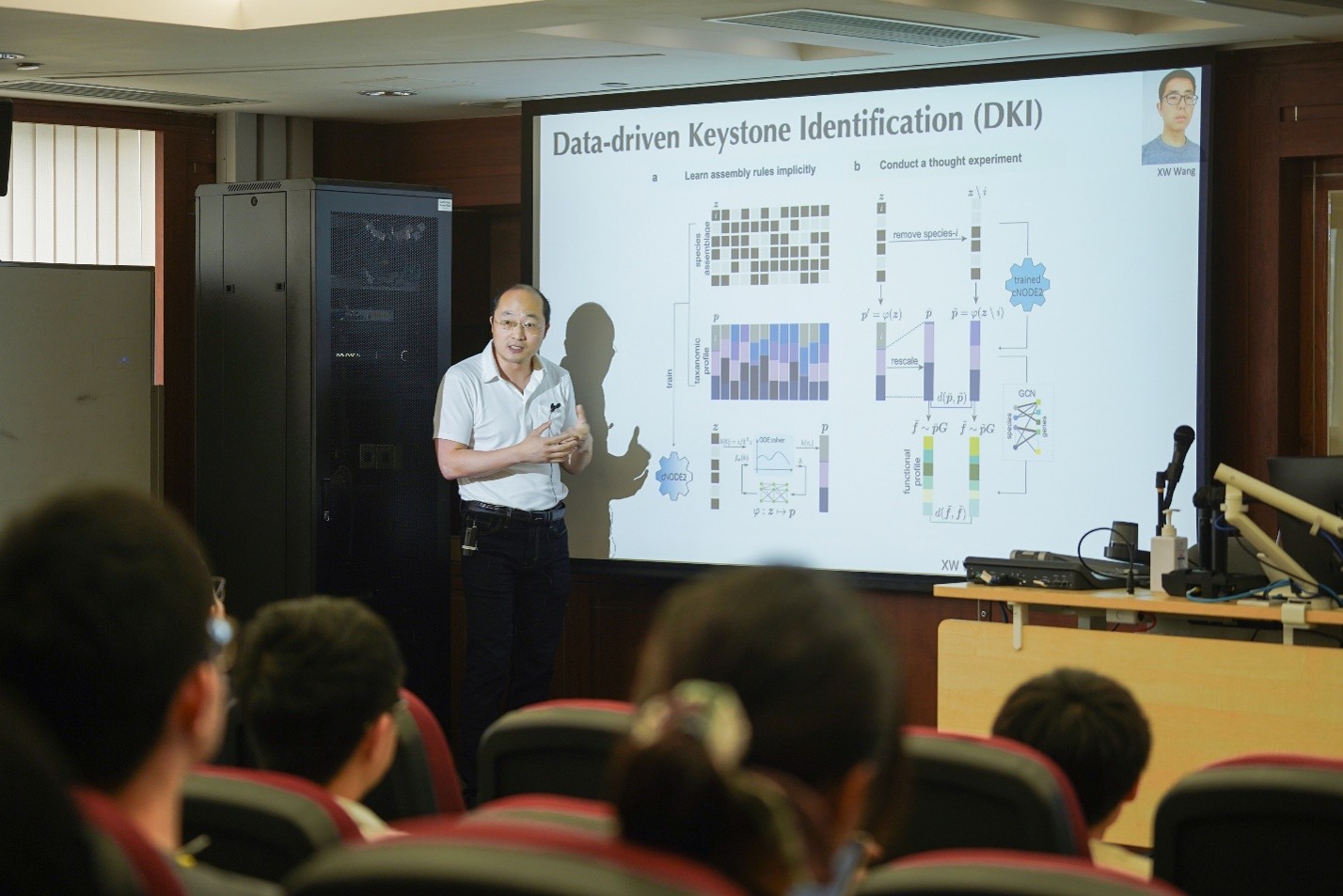
Professor Liu shares insights on how AI is transforming microbiome research and advancing precision nutrition
During the lecture, Professor Liu highlighted that while community ecology offers a fundamental framework for understanding microbial dynamics, traditional mathematical models, such as explicit differential equations, are limited by the immense complexity of the human gut microbiome.
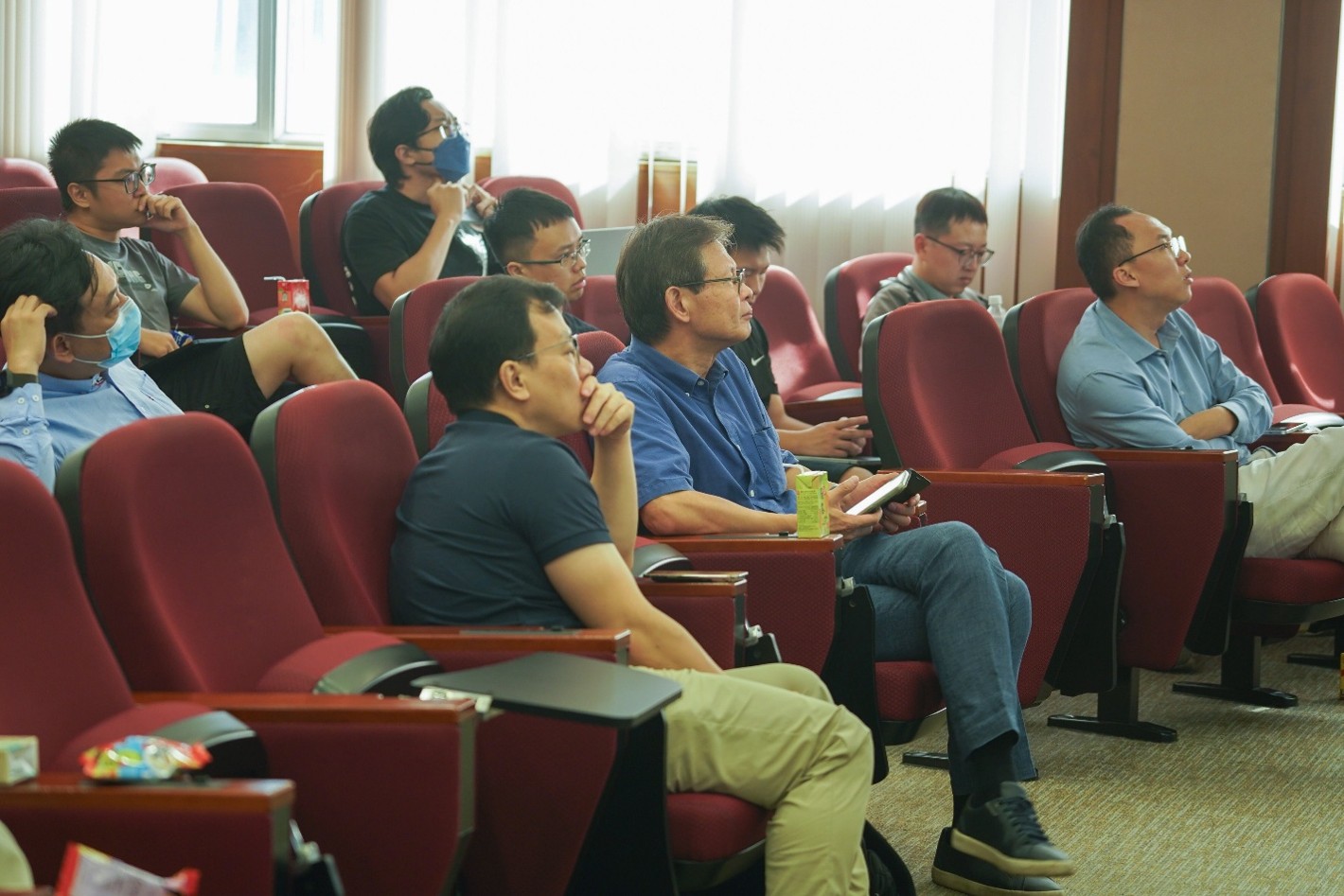
Professor Liu Jiming (center, front row), Associate Provost of HKBU, and Professor Tian Liang (left, front row), Associate Professor in the Department of Physics, listen attentively to Professor Liu's presentation
Subsequently, Professor Liu explained that his research team had developed a suite of AI-based computational methods designed to overcome the limitations of traditional ecological models. These tools move beyond simple data processing to identify influential "keystone" species and predict metabolic health outcomes, offering new ways to better understand complex microbial ecosystems. The work illustrates the potential of AI to support future advances in microbiome-informed nutrition and health research.
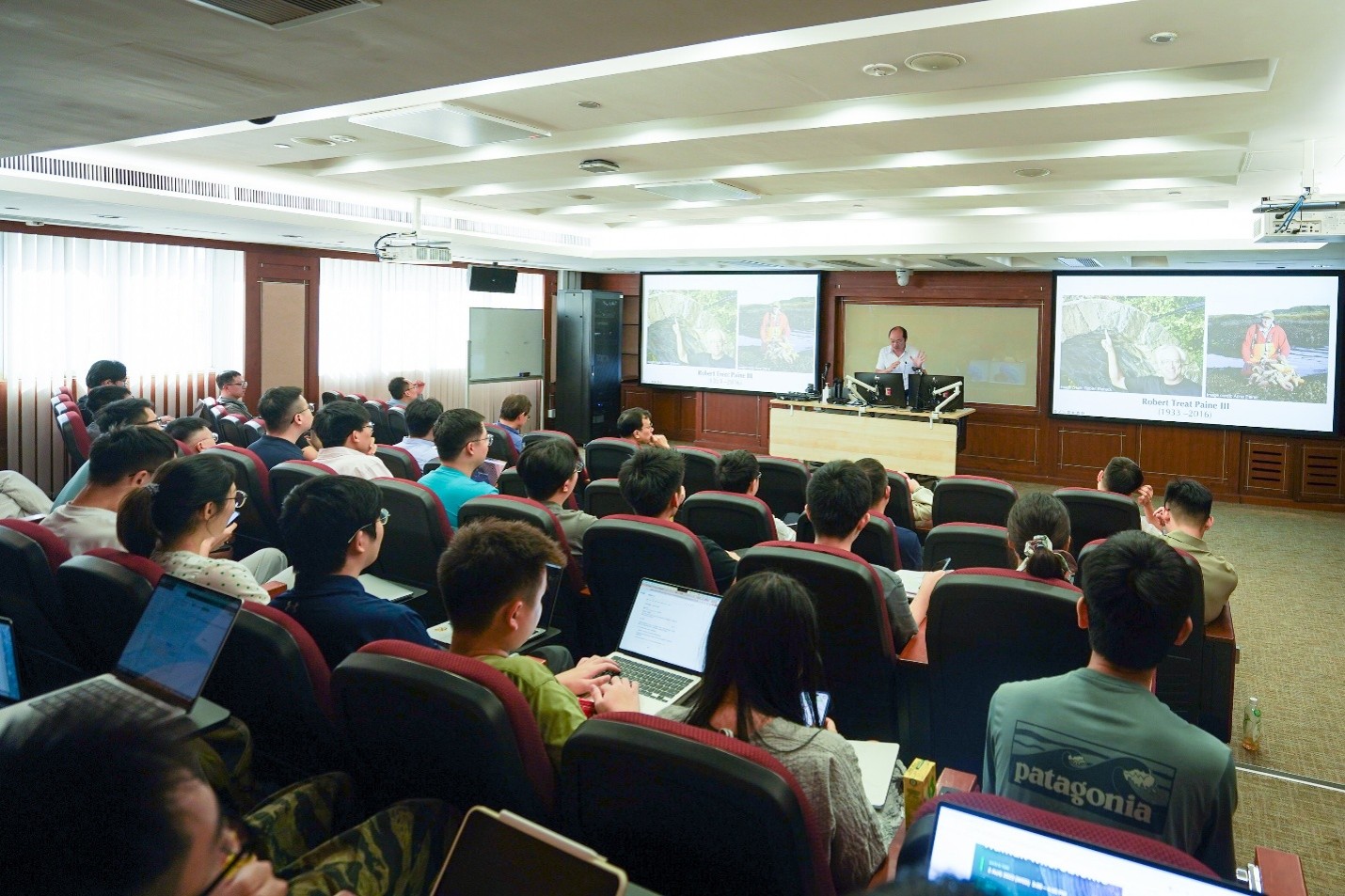
Attendees focus closely on Professor Liu's presentation
Professor Liu’s career reflects the interdisciplinary application of physics to complex biological systems. He earned his PhD in Physics from the University of Illinois Urbana–Champaign in 2009 and later led groundbreaking work on the controllability and observability of complex networks at Northeastern University. Since establishing his laboratory at Harvard Medical School and Brigham and Women’s Hospital in 2013, he has integrated community ecology, network science, control theory, and machine learning to advance microbiome research. His works in the microbiome field have appeared in major journals such as Nature, Nature Methods, Nature Machine Intelligence, Nature Ecology & Evolution, and Nature Communications, as well as media outlets such as NBC News, The Economist, and WIRED.
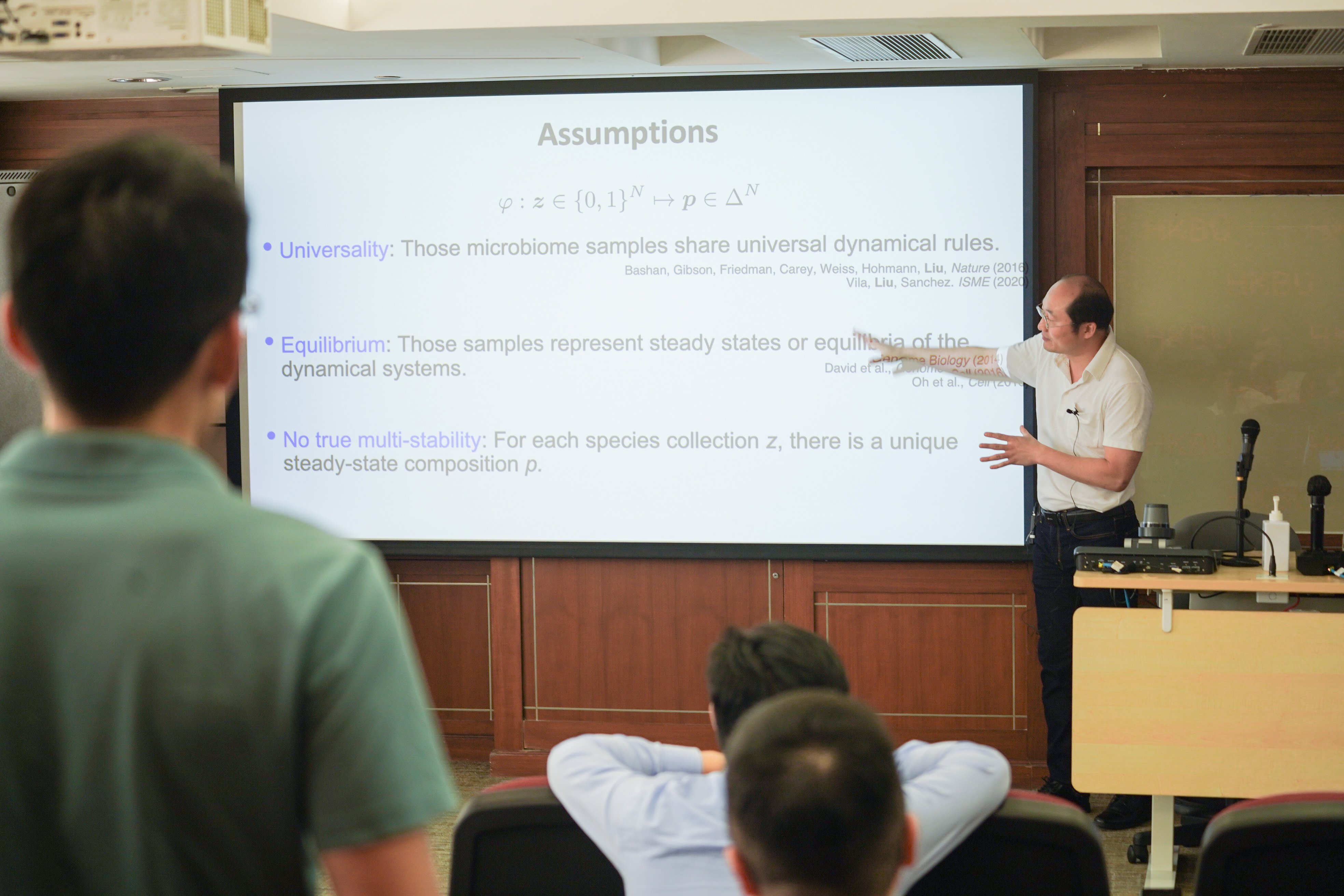
Students take the opportunity to ask questions about the future role of AI in precision nutrition and human health
The lecture also prompted a lively exchange of views on the future role of AI in precision nutrition and human health. Following the lecture, the speaker and several professors, including Prof. Liu Jiming, Prof. Zhu Furong, and Prof. Tian Liang, further discussed the interdisciplinary research opportunities in the direction of AI and complex systems during dinner. The event also highlighted the Department of Physics’ effort to promote research excellence and international academic exchange in exploring emerging frontiers in science and technology.
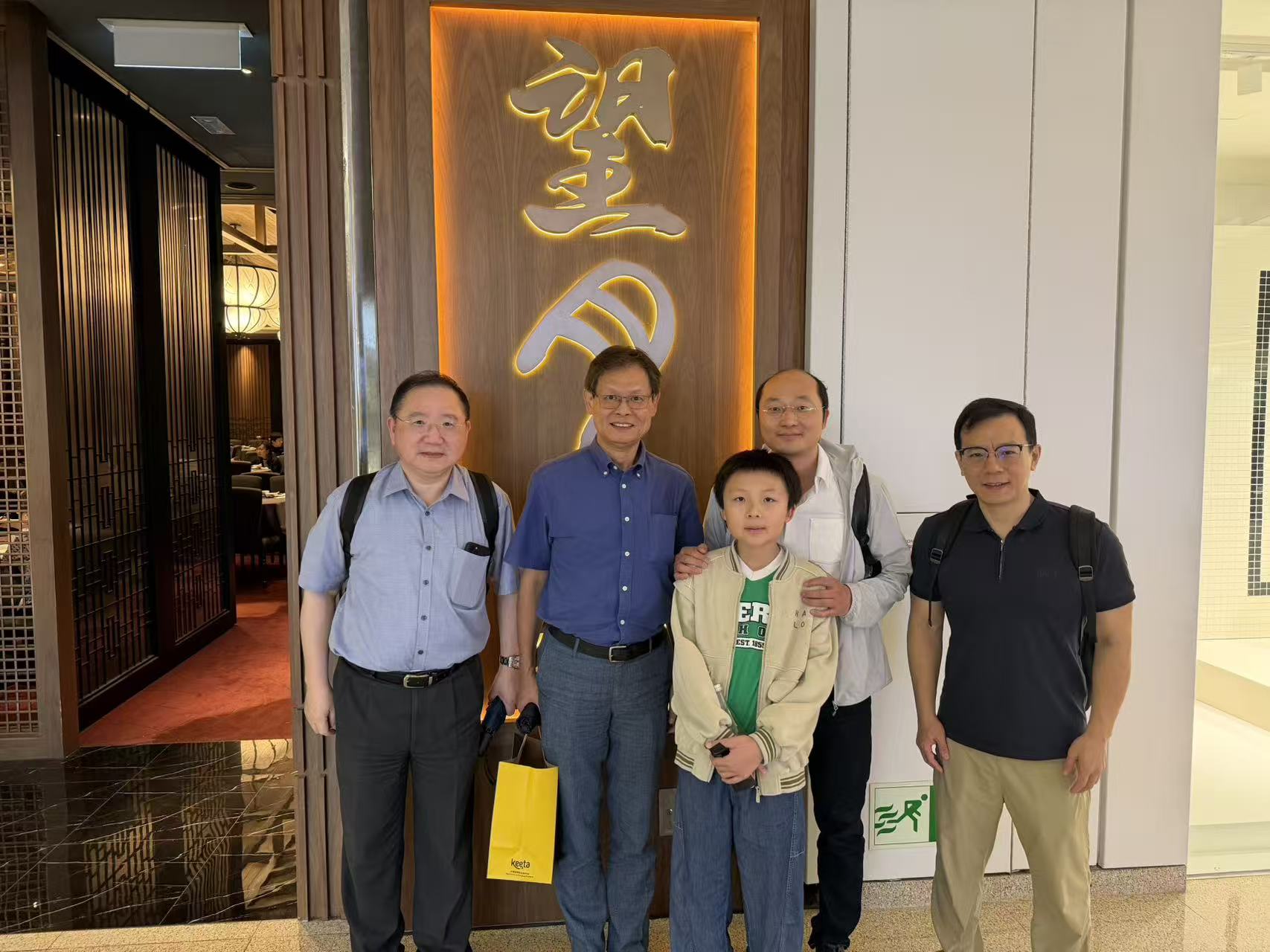
The speaker and professors engage in further discussions on interdisciplinary research opportunities following the lecture
The event highlighted the Department of Physics’ effort to promote research excellence and international academic exchange in exploring emerging frontiers in science and technology.